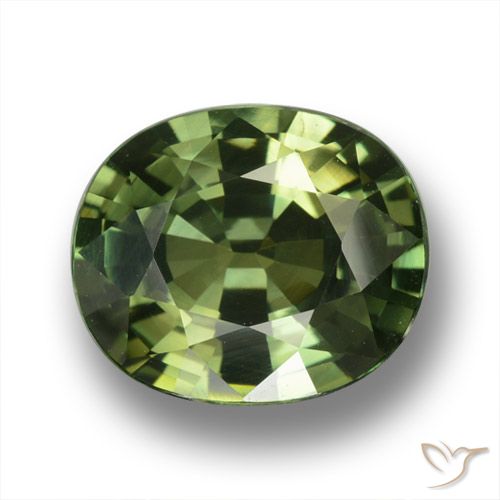
Sri Lankan rubies, often referred to as "Ceylon rubies," are gemstones found in Sri Lanka. Sri Lanka is more renowned for its sapphires, especially the famous Ceylon blue sapphires, but it also produces rubies. Here are some key points about Sri Lankan rubies:
1. Color and Quality:
- Sri Lankan rubies tend to have a lighter and more vibrant red color compared to those from other famous ruby sources like Burma (Myanmar).
- The color of Sri Lankan rubies can range from pinkish-red to deep red, though the latter is rarer.
- They might sometimes be confused with pink sapphires, which are also found in Sri Lanka, due to the lighter red shades.
2. Geological Formation:
- Rubies in Sri Lanka are typically found in alluvial deposits, which are formed from ancient riverbeds where the gemstones have been eroded from their primary sources.
- The gems are usually found in areas such as Elahera, Rakwana, and Ratnapura, with Ratnapura being the most famous gem-producing region in the country.
3. Inclusions:
- Sri Lankan rubies often have inclusions, which can impact their clarity and value. However, some inclusions can create desirable effects like asterism (a star-like pattern on the surface of the stone).
- Inclusions in Sri Lankan rubies can include rutile needles, which are also present in sapphires.
4. Treatment:
- Like most rubies worldwide, Sri Lankan rubies are often heat-treated to enhance their color and clarity. This is a common practice in the gemstone industry.
- Untreated rubies with good color and clarity are particularly rare and valuable.
5. Market and Value:
- While Sri Lankan rubies are valued, they are generally considered less valuable than Burmese rubies, which are renowned for their deep "pigeon blood" red color.
- The rarity and unique characteristics of Sri Lankan rubies, especially those with exceptional color and minimal treatment, make them sought after by collectors and gem enthusiasts.
6. Historical Significance:
- Sri Lanka has a long history of gemstone mining and trade, dating back over 2,000 years. The island has been a source of various gemstones, including rubies, which have been traded across ancient and modern markets.
- The island was historically known as "Ratnadeepa," meaning "Island of Gems," highlighting its rich gemstone heritage.
In summary, Sri Lankan rubies are admired for their beauty and vibrant color, though they are less famous than the island's sapphires. These rubies are part of Sri Lanka's rich gemological tradition and contribute to the country's reputation as a major source of gemstones.