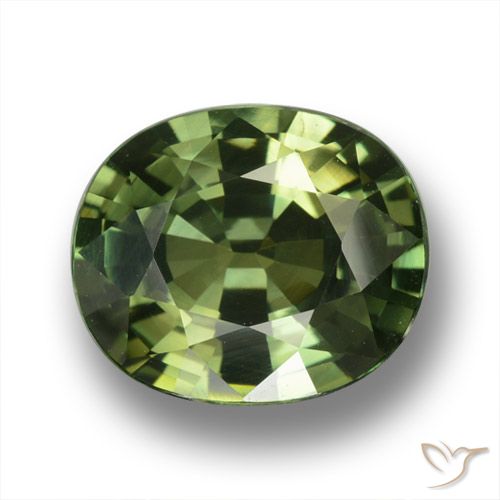
Padparadscha (also spelled "padparadscha") is a rare and highly valued variety of sapphire, known for its unique and stunning color. The name "padparadscha" is derived from the Sinhalese word "padmaraga," which means "lotus blossom," reflecting the gem's distinctive hue. Here's more about this remarkable gemstone:
1. Color:
- Unique Hue: The most defining feature of a padparadscha sapphire is its delicate mix of pink and orange hues. The ideal padparadscha sapphire is often described as having the color of a lotus flower or a tropical sunset, blending pink and orange in a harmonious way.
- Color Range: The color of padparadscha can range from salmon pink to peachy orange, with the most prized stones having a perfect balance between the two colors.
- Rarity: The specific color combination required to be classified as padparadscha is rare, making these sapphires highly sought after.
2. Origin:
- Sri Lanka: Sri Lanka (formerly known as Ceylon) is the most famous source of padparadscha sapphires. The gemstones from this region are particularly valued for their color and quality.
- Other Sources: While Sri Lanka remains the primary source, padparadscha sapphires are also found in Madagascar and Tanzania. However, stones from these locations might have different color characteristics.
3. Clarity and Cut:
- Clarity: Padparadscha sapphires, like other sapphires, can have inclusions. However, eye-clean stones (those without visible inclusions) are more valuable.
- Cut: The cut of a padparadscha sapphire is crucial in displaying its color to the best effect. A well-cut stone will show the balance between the pink and orange hues more clearly.
4. Value and Market:
- High Value: Due to their rarity and unique color, padparadscha sapphires are among the most valuable sapphires. Fine quality stones can command prices comparable to or even exceeding those of blue sapphires or rubies.
- Desirability: Collectors and gem enthusiasts highly prize padparadscha sapphires for their beauty and rarity. The demand for these gemstones is strong, particularly for stones with minimal treatment and exceptional color.
5. Treatment:
- Heat Treatment: Like many sapphires, padparadscha stones may undergo heat treatment to enhance their color and clarity. Untreated padparadscha sapphires are especially rare and valuable.
- Certification: Due to the rarity and value of padparadscha sapphires, it is essential to have these stones certified by reputable gemological laboratories to confirm their authenticity and natural color.
6. Misidentification:
- Color Similarity: Some pink and orange sapphires might be misidentified as padparadscha due to similar hues. However, true padparadscha sapphires exhibit a precise balance of pink and orange that sets them apart.
- Market Practices: Because of their high value, the term "padparadscha" might sometimes be used loosely in the market, making it crucial to verify the stone's authenticity.
7. Cultural Significance:
- Symbolism: In some cultures, padparadscha sapphires are associated with love, passion, and creativity, partly due to their unique and vibrant color.
- Popularity: While not as widely known as blue sapphires, padparadscha sapphires have a devoted following among gem collectors and connoisseurs.
In summary, padparadscha sapphires are extraordinary gemstones cherished for their rare and captivating blend of pink and orange hues. Originating primarily from Sri Lanka, these sapphires are among the most valuable and sought-after in the world, admired for their beauty, rarity, and cultural significance.